
IT support for care homes
Reliable systems, protected resident data and Wi-Fi that works across every wing, floor and lounge.
- 5 minute target first response
- Multi-site experience
- UK-based team
Built around how care homes operate
Care operates around the clock and paperwork failures have consequences beyond inconvenience. We support care homes and groups with the systems staff depend on at handover, at medication rounds and during inspection.
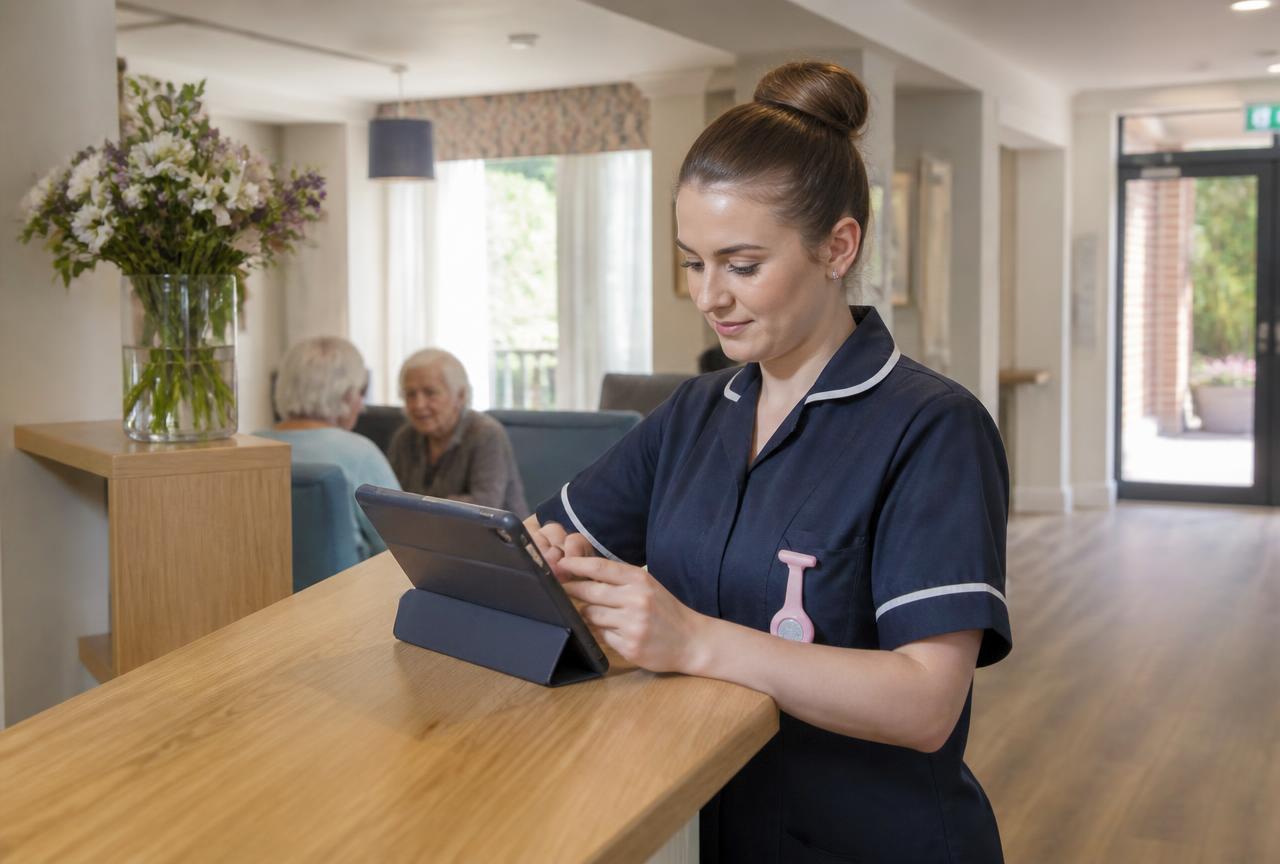
What we solve most often
Sensitive resident data
Access controls, encryption and backups appropriate to the information you hold.
Coverage everywhere
Wi-Fi designed for thick-walled buildings, so care planning works at the point of care.
Shift-based teams
Simple, secure sign-in for staff who share devices across changing shifts.
Inspection evidence
Documented controls and policies you can show when someone asks.
How we get a care homes environment running properly
Understanding the home
We learn how the home or group actually runs — handovers, medication rounds, shared devices and the systems staff depend on at each point.
Fixing coverage and access
Wi-Fi is designed for thick-walled buildings so care planning works at the point of care, and sign-in is made simple and secure for shift-based teams sharing devices.
Protecting resident data
Access controls, encryption and backups are set to a standard appropriate to the sensitivity of the information you hold.
Keeping evidence ready
Controls and policies are documented so that when an inspection asks difficult questions, the answers already exist on paper.
IT for care homes: common questions
Can Wi-Fi really reach every wing and floor?+−
Yes, when it is designed for the building. We survey and design for thick-walled care environments so coverage works across every wing, floor and lounge.
Our staff share devices across shifts — is that manageable?+−
Yes. We set up simple, secure sign-in for shift-based teams, so shared devices stay fast to use without weakening security.
How is resident data protected?+−
Through access controls, encryption and monitored, tested backups appropriate to the sensitivity of the information you hold.
Can you support more than one home?+−
Yes. We support care groups as well as single homes, with one accountable team across every site.
Commonly used by this sector
Managed IT Support
A complete outsourced IT department, or extra hands alongside yours.
Cyber Security
Layered protection across identity, devices, email and data.
Microsoft 365
Email, Teams, SharePoint and identity, properly configured.
Google Workspace
Email, Drive, Docs and administration for organisations running on Google.
Cloud Services
Cloud that fits the workload, not the other way round.
Backup & Disaster Recovery
Backups that are monitored, tested and actually restore.
Supporting care homes across the UK
Book a free IT review and get an honest assessment of your systems, security and risks, with no obligation to switch.