
IT support for manufacturing
Office and shop floor supported together, with the segmentation and resilience production systems need.
- 5 minute target first response
- Multi-site experience
- UK-based team
Built around how manufacturing operate
Manufacturing environments mix modern laptops with equipment that has outlived several IT providers. We support both, keeping production systems isolated, backed up and available while the office side modernises.
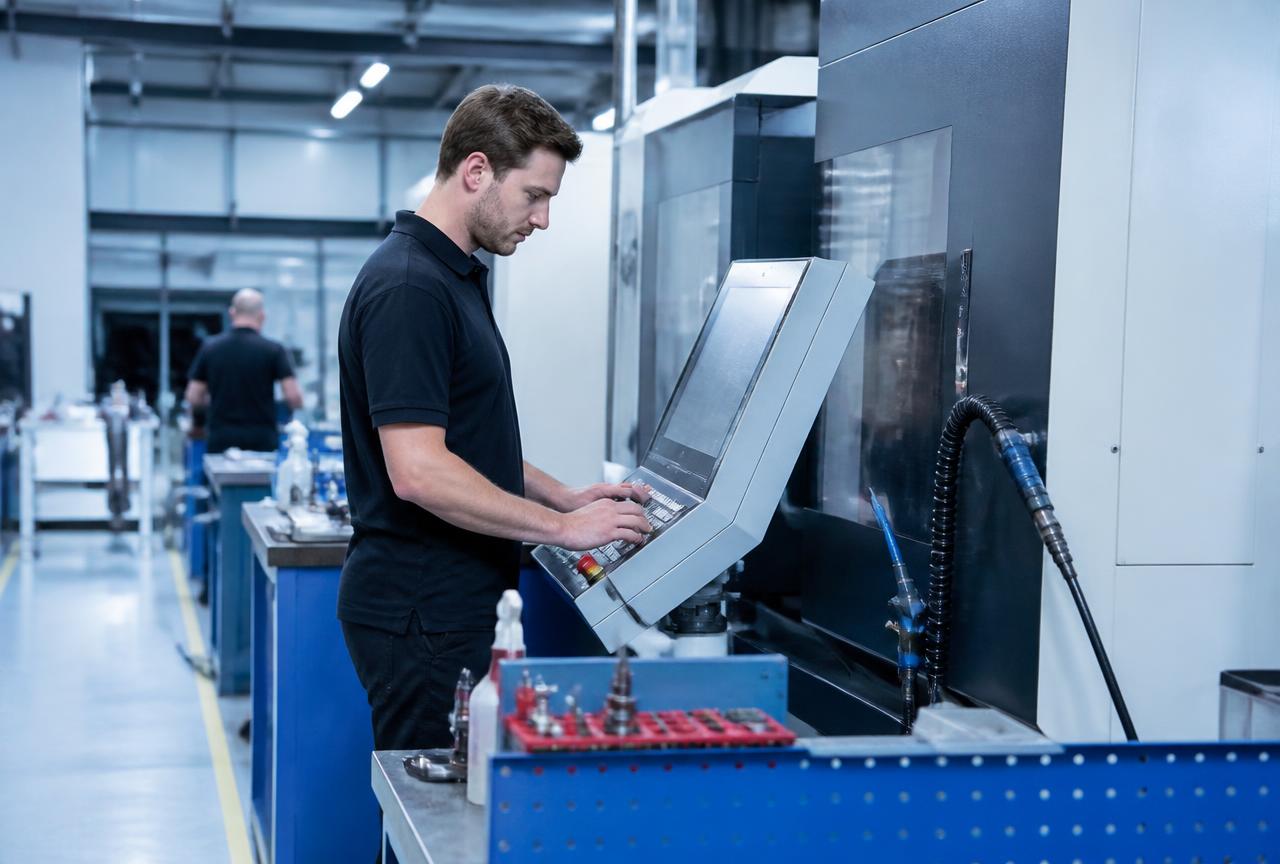
What we solve most often
Legacy production systems
Older machine controllers kept running and safely separated from the rest of the network.
Uptime pressure
Maintenance scheduled around shifts and planned shutdowns.
Shop floor connectivity
Networking that copes with interference, dust and distance.
Design and ERP data
Large files and business systems backed up with tested restores.
How we get a manufacturing environment running properly
Separating old from new
Older machine controllers and legacy production systems are kept running and safely segmented from the rest of the network.
Protecting production data
Design files and ERP data are backed up with tested restores, so the information production depends on can always be recovered.
Connecting the shop floor
Networking is built to cope with interference, dust and distance, giving the shop floor connectivity that holds up in real conditions.
Working around shifts
Maintenance is scheduled around shifts and planned shutdowns, while the office side modernises at a pace the business can absorb.
IT for manufacturing: common questions
We have old machinery — can you still support it?+−
Yes. Manufacturing mixes modern laptops with equipment that has outlived several IT providers. We keep legacy production systems running and safely isolated from the rest of the network.
Will maintenance interrupt production?+−
It is planned not to. Maintenance is scheduled around shifts and planned shutdowns rather than happening whenever suits the IT calendar.
How do you handle factory-floor networking?+−
We design for interference, dust and distance, so connectivity reaches the shop floor and stays reliable there.
Are our design files and ERP data protected?+−
Yes. Large files and business systems are backed up with tested restores, so a failure does not mean starting again.
Commonly used by this sector
Managed IT Support
A complete outsourced IT department, or extra hands alongside yours.
Cyber Security
Layered protection across identity, devices, email and data.
Microsoft 365
Email, Teams, SharePoint and identity, properly configured.
Google Workspace
Email, Drive, Docs and administration for organisations running on Google.
Cloud Services
Cloud that fits the workload, not the other way round.
Backup & Disaster Recovery
Backups that are monitored, tested and actually restore.
Supporting manufacturing across the UK
Book a free IT review and get an honest assessment of your systems, security and risks, with no obligation to switch.